What to Do When You Do Not Like Your Haircut
Learn what can be adjusted after a haircut, when to stop cutting and how to explain the problem clearly before booking a professional assessment.
By City Barbers3 min read5 sections
In this article
The short answer
If you do not like your haircut, pause before trying to correct it yourself. Some problems involve styling or an uneven connection that can be adjusted. Others involve missing length that needs time to grow. Removing more hair without identifying the problem can reduce your options.
Start by describing exactly what feels wrong. “Too short” at the fringe, “too wide” above the ears and “uneven” through a fade are different issues that need different responses.
Check whether the finish is the problem
If the haircut has been styled in a way you do not normally wear it, explain that to your barber before leaving. A glossy finish, unfamiliar part or extra height can make a familiar shape feel completely different.
At the chair
Ask to see a more natural version. If you are already home, assess the hair after your usual washing and styling routine before deciding every part needs recutting. The goal is to separate the cut from the way it was arranged.
Identify what length is still available
A heavy section may be reshaped if enough hair remains. An overly short fringe cannot be made longer by taking more from the surrounding areas. Trying to match every section to the shortest mistake may create a haircut you like even less.
Take clear photos from the front, sides and back. Bring your original reference if you have it, and explain which details matter most. A barber can then assess whether a correction is possible now or whether preserving length is the better plan.
Contact the original shop promptly
If you can, describe the concern directly and calmly to the shop that performed the service. Ask about its process for adjustments. Avoid assuming a particular refund or correction policy before checking the terms.
Specific language helps: “The front is sitting much shorter than we discussed,” or “There is a heavy line above the right ear.” That gives the barber something concrete to evaluate.
Avoid repeated home corrections
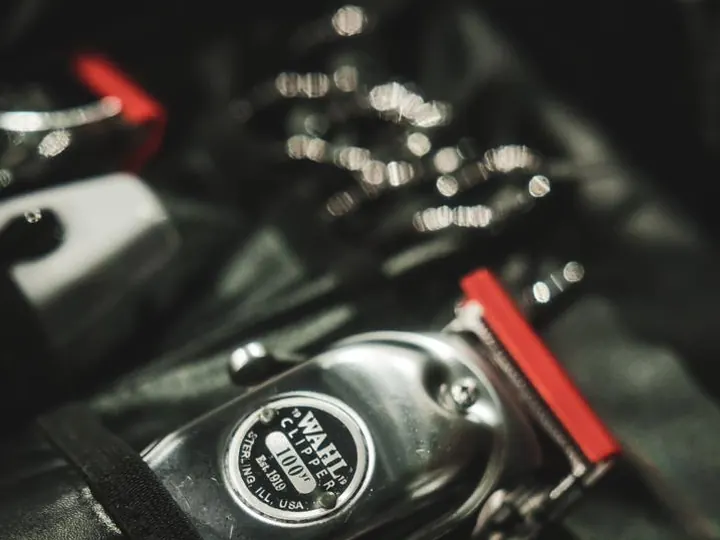
A small clipper adjustment can create a new line above the first one. Cutting one side shorter to match the other can turn into a series of changes that move the whole shape away from your goal.
If the cut already feels uncertain, stop using the tools. Leaving the remaining length intact gives a professional more material to work with. You can discuss a temporary styling approach while the shortest areas grow.
 Related guideHaircut Numbers and Clipper Guards ExplainedRead the guide
Bring a realistic goal to the next appointment
A corrective visit may improve balance without delivering the final style immediately. Agree on what is possible before more hair comes off. If the goal requires growth, make that part of the plan.
Contact City Barbers in Salt Lake City if you want an assessment and help choosing an appropriate haircut appointment. Bring photos and describe the concern; a useful next step begins with understanding what can actually be changed.
Related service
Men’s Haircuts
A full 55 minutes in the chair: your cut, a straight-razor finish, hot and cold towels, a deep tissue massage and a relaxing hair wash.
241 E 300 S, downtown Salt Lake City · Tuesday to Sunday, 8 AM to 8 PM · (801) 243-6915