Skin Fade vs. Zero Fade: What to Ask Your Barber
Understand skin fades and zero fades, including why the terms vary. Learn how to describe the shortest finish you want before your haircut.
By City Barbers3 min read5 sections
In this article
The short answer
A skin fade blends from exposed skin into longer hair. A zero fade often describes a very short clipper finish that leaves a little stubble at the bottom. However, the terminology varies between barbers and tools, so the name alone is not a reliable measurement.
The question to settle before the cut is simple: do you want the shortest area taken to skin, or do you want some visible hair left? Once that is clear, you can discuss how high the fade should go.
How a skin fade looks
A skin fade creates a strong contrast between the bare lower section and the hair above it. The result can make the transition especially noticeable on darker hair. The exact finish depends on the tools and technique your barber uses.
You can ask for that close finish with a low, mid or high fade. “Skin” describes the shortest point, while “low,” “mid” and “high” describe placement. A low skin fade can preserve substantial fullness through the upper sides.
What zero can mean
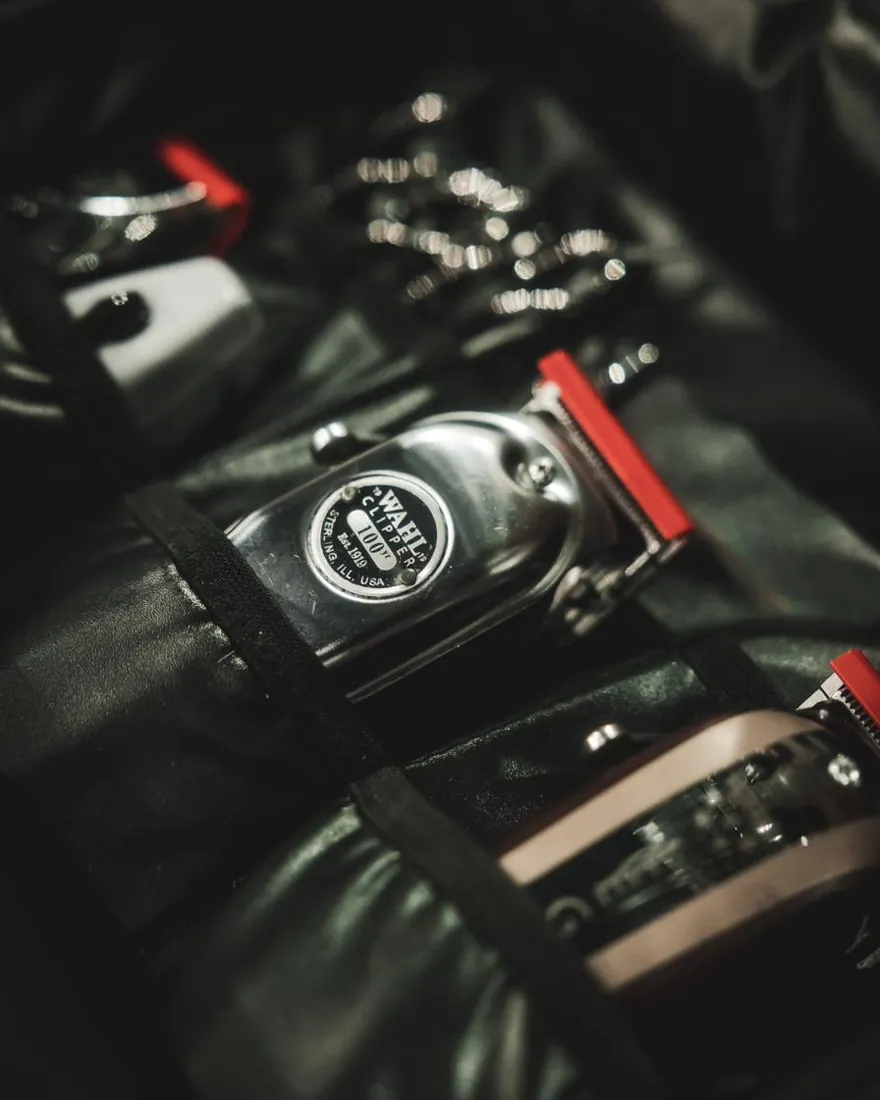
A clipper without a guard leaves a different finish from a longer guarded setting, but not every blade cuts to the same length. The clipper lever and the tools used afterward can change how close the result appears.
For that reason, avoid treating “zero” as a universal length. Show a photo and ask your barber to explain what their version would leave at the bottom. If you specifically want stubble rather than exposed skin, say that directly.
Compare the grow-out
Both cuts can show new growth quickly because they start very short. With a skin fade, the return of visible hair changes the look of the bare section. With a slightly longer base, that early change may be less stark.
Neither option keeps a fresh fade indefinitely. Ask what maintenance schedule makes sense for your preferred level of sharpness. If you know you will leave several weeks between appointments, discuss a version that you will still like as the close section fills in.
Mention your preferences before the tools come out
If close shaving has bothered your skin in the past, tell your barber before the service begins. You can discuss keeping the finish longer or avoiding a particular finishing method. There is no need to choose the closest possible cut simply because it appears in a reference photo.
Also mention any visible marks or areas you would prefer to leave covered. Fade placement and retained length can be adjusted around the overall look you want, subject to what your hair allows.
 Related guideUndercut vs. Fade: Understanding the Connection to the TopRead the guide
Ask for the result rather than a number
A clear request might be, “Keep the fade low and leave a little stubble at the shortest point.” If you want a skin fade, say, “Take the bottom to skin, but keep the transition below the upper sides.” Confirm the plan with your barber’s explanation or reference image.
Book your next haircut at City Barbers in Salt Lake City and bring the photo that best shows your preferred finish. The details are easier to get right when you agree on them first.
Related service
Men’s Haircuts
A full 55 minutes in the chair: your cut, a straight-razor finish, hot and cold towels, a deep tissue massage and a relaxing hair wash.
241 E 300 S, downtown Salt Lake City · Tuesday to Sunday, 8 AM to 8 PM · (801) 243-6915